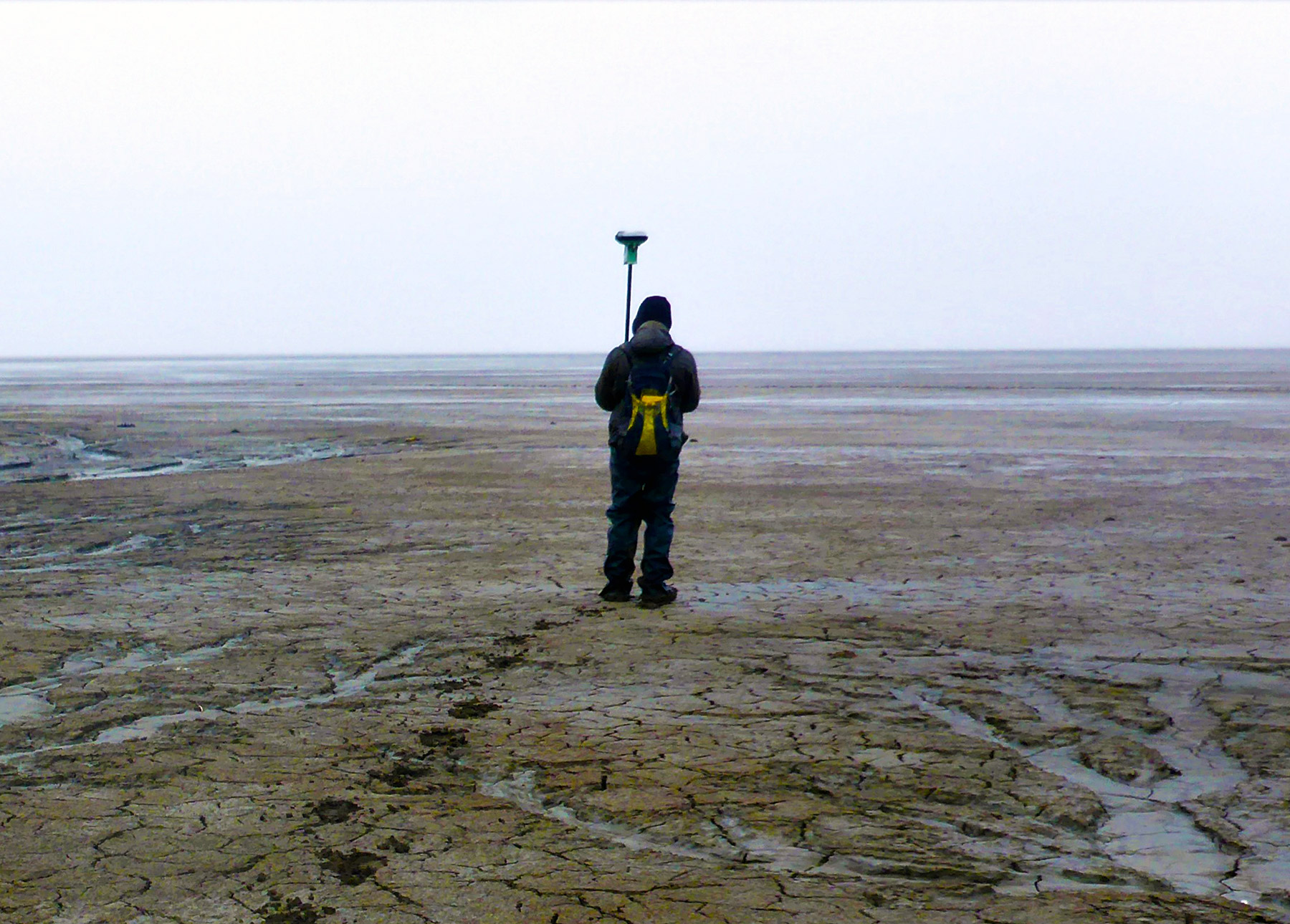
Drained Lake near Cape Halkett, North Slope, Alaska. Credits: Josefine Lenz, AWI (2014).
Our Team
 brings together a diverse international team of scientists with a wide range of expertise and experience. Members from seven institutions in five countries are collaborating to advance our understanding of permafrost thaw and its impacts. Team members are listed by institution. You can find a short biography of each member. Former team members as listed in the alumni section.
Alfred Wegener Institute Helmholtz Centre for Polar and Marine Research (AWI)
The Alfred Wegener Institute (AWI) is part of the Helmholtz Association and a leading research centre for polar and marine science in Germany. It coordinates German Arctic and Antarctic research and contributes to international climate and Earth system research. Its permafrost research section is based in Potsdam.
Guido Grosse
Alfred Wegener Institute (AWI)
Potsdam, Germany
Full Professor
Project PI
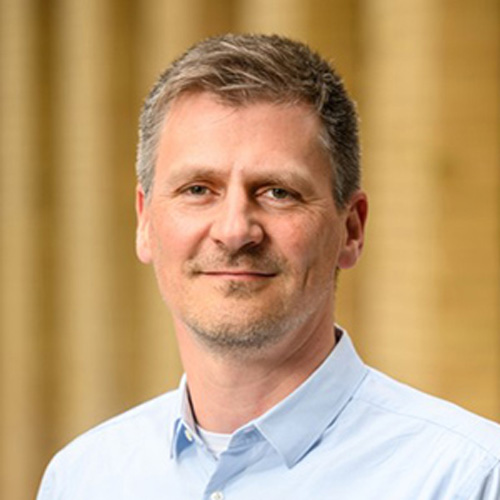
Guido Grosse is a geoscientist focusing on remote sensing of rapid permafrost thaw dynamics and their implications for geomorphology, hydrology, and carbon cycling. His work combines remote sensing, field observations, and data synthesis. As the project PI, he facilitates coordination between PeTCaT partners to support the overall project goals. He further contributes to several work packages and supervises PhDs.
Jens Strauss
Alfred Wegener Institute (AWI)
Potsdam, Germany
Senior Researcher
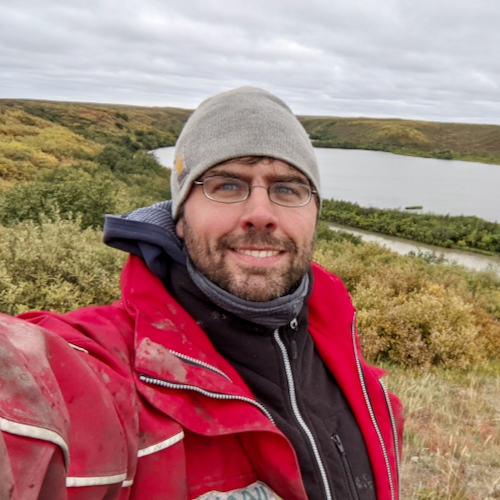
Jens Strauss leads the biogeochemistry group at AWI. He is a geoecologist by training, focusing on the degradation pathways of permafrost carbon and nitrogen from terrestrial to aquatic systems. His research addresses the thaw susceptibility of permafrost organic carbon, one of the largest climate-sensitive carbon pools. His work is based on extensive Arctic field expeditions across the North American and Russian Arctic, combined with laboratory analyses.
Anne Morgenstern
Alfred Wegener Institute (AWI)
Potsdam, Germany
Senior Researcher
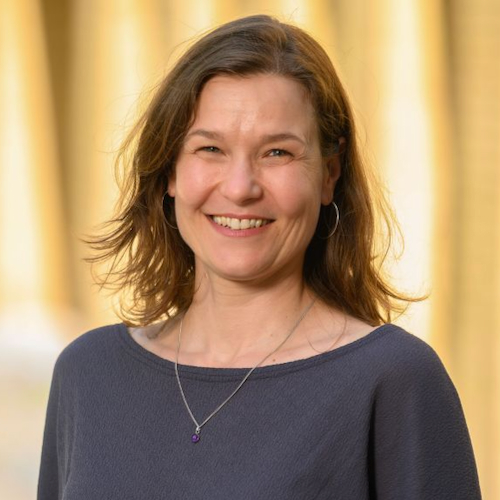
Anne is a permafrost researcher focusing on the degradation of ice-rich permafrost and associated landscape and ecosystem changes. Her work combines field observations, sampling and laboratory analyses, remote sensing, and geospatial methods. She is a Coordinator of AWI’s Scientific Cooperation with Alaska.
Lutz Schirrmeister
Alfred Wegener Institute (AWI)
Potsdam, Germany
Senior Researcher
Ingmar Nitze
Alfred Wegener Institute (AWI)
Potsdam, Germany
Postdoctoral Researcher
WP1 Lead
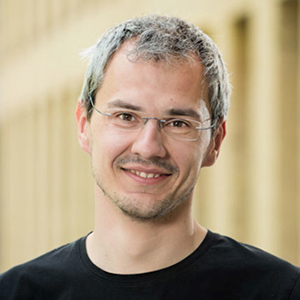
Ingmar Nitze is a Physical Geographer focussing on remote sensing and machine learning to quantify landscape dynamics across Arctic permafrost regions. His work combines data analysis, AI, and field observations.
Jan Nitzbon
Alfred Wegener Institute (AWI)
Potsdam, Germany
Postdoctoral Researcher
WP3 Co-Lead
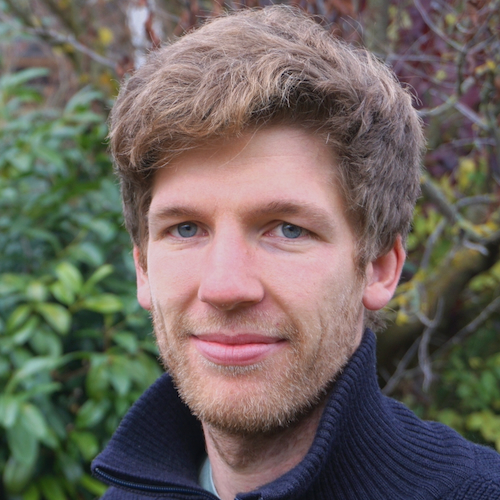
Jan Nitzbon is also affiliated with Vrije Universiteit Amsterdam. With a background in physics of complex systems and physical geography, his research focuses on the terrestrial cryosphere and the response of permafrost landscapes to climatic change. His work integrates data-driven and process-based modelling and explores emerging techniques such as CT scanning of permafrost cores.
Tillmann Lübker
Alfred Wegener Institute (AWI)
Potsdam, Germany
Project Manager, Postdoctoral Researcher
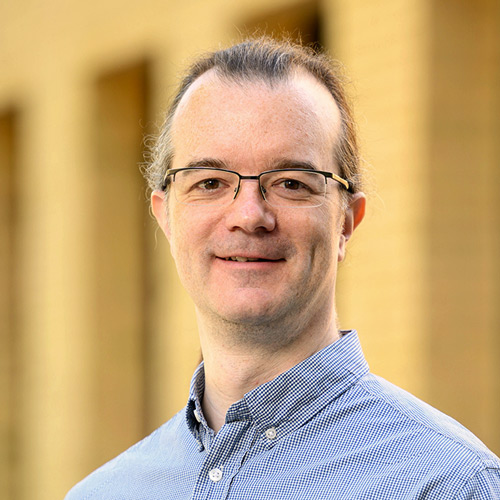
Tillmann Lübker is a Geospatial Data Scientist working at the interface of technology and geoscience as part of the Permafrost Remote Sensing Group. With a background in cartography, geoinformatics, and spatial data science, his work spans spatial data analysis, remote sensing, and user interface design, alongside project management.
Josefine Lenz
Alfred Wegener Institute (AWI)
Potsdam, Germany
Science Communication Coordinator
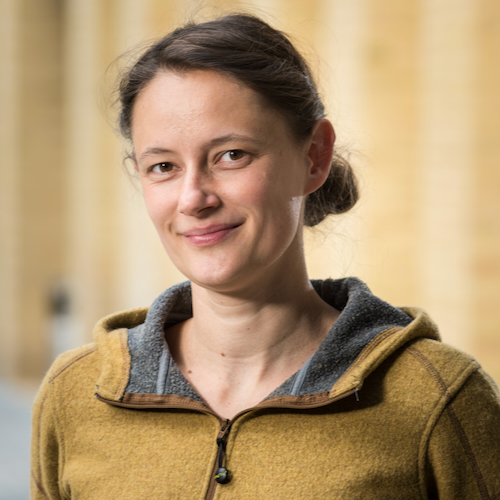
Josefine Lenz specializes in communicating cryosphere topics, particularly permafrost change, to broader audiences. Her work focuses on science communication and outreach.
Melanie Reinhardt
Alfred Wegener Institute (AWI)
Potsdam, Germany
Administrative Assistant
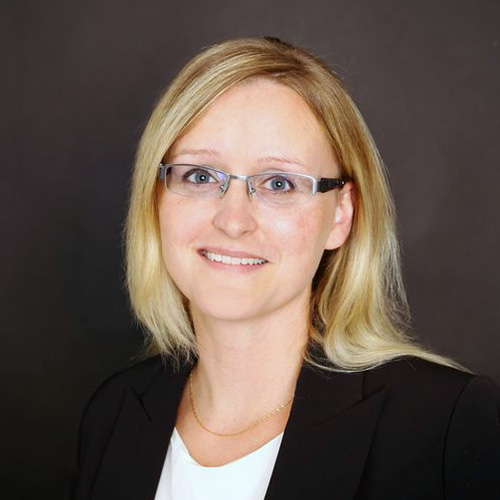
Melanie Reinhardt is an Administrative Assistant in the Permafrost Research Unit at AWI Potsdam. She contributes to the efficient implementation of the project in administrative and operational matters by supporting project-related processes and facilitating interactions with AWI’s central services.
Sebastian Laboor
Alfred Wegener Institute (AWI)
Potsdam, Germany
Technician
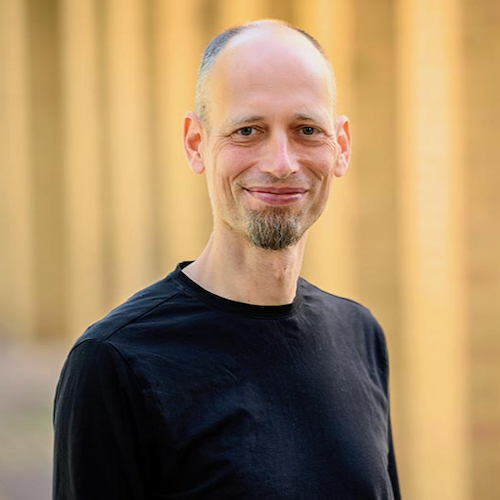
Sebastian Laboor is a cartographer and geoinformatics specialist working in data management. His work focuses on remote sensing, GIS, programming, and web design.
Friedrich Röseler
Alfred Wegener Institute (AWI)
Potsdam, Germany
PhD Student
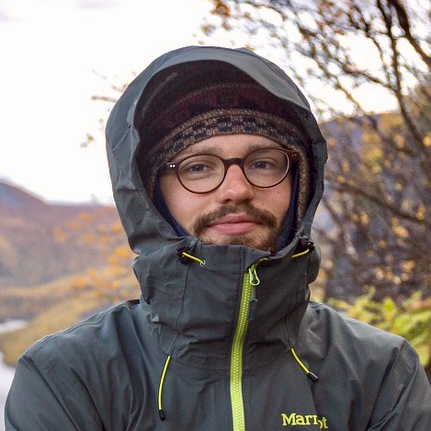
Friedrich Röseler is a Physical Geographer and Geo-information scientist working on mapping Arctic permafrost carbon at circumpolar scale. His research uses geospatial modeling to quantify the spatial and vertical variability of permafrost soil properties and he leads the harmonization of Arctic soil profile observations for the CASPeR database. His work integrates remote sensing, geo-information, and Earth system science.
Sarah Schmickal
Alfred Wegener Institute (AWI)
Leipzig & Potsdam, Germany
MSc thesis student
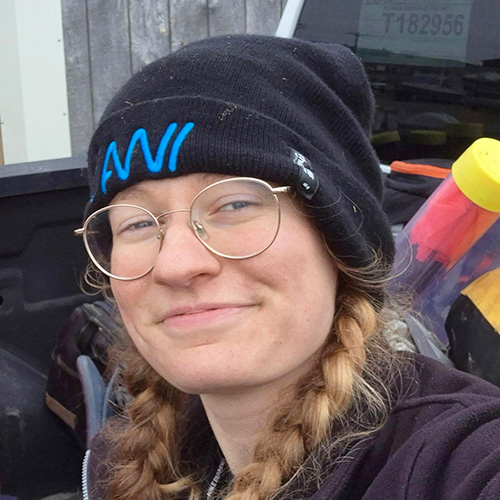
Sarah Schmickal is a Master’s student in Earth System Data Science & Remote Sensing at the University of Leipzig. Her work focuses on Earth System Science, remote sensing and machine learning. She is conducting her Master’s thesis in collaboration with AWI Potsdam.
Suzann Ohl
Alfred Wegener Institute (AWI)
Potsdam, Germany
Student Assistant
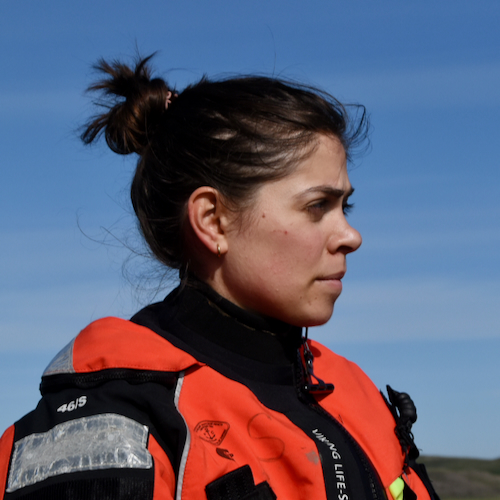
Suzann Ohl is a Master’s student in Ecology, Evolution and Conservation at the University of Potsdam working on UAV data processing and archiving. Her work applies remote sensing methods to environmental analysis.
University of Alaska Fairbanks (UAF)
The University of Alaska Fairbanks (UAF) is home to the Geophysical Institute and the International Arctic Research Center, both of which conduct cutting-edge research on climate change, permafrost, and polar atmospheric processes. UAF’s close proximity to the Arctic, along with its field stations located in the Arctic and subarctic, makes it a central hub for Arctic research and education.
Katey Walter Anthony
University of Alaska Fairbanks (UAF)
Fairbanks, USA
Full Professor
WP4+WP7 Co-Lead
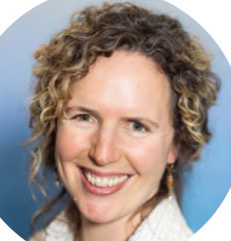
Katey Walter Anthony is an aquatic ecologist studying methane emissions from Arctic lakes, permafrost degradation, and associated global climate feedbacks through the carbon cycle. Her work combines extensive field measurements, remote sensing, and laboratory analyses, including radiocarbon dating and sediment studies.
Vladimir Romanovsky
University of Alaska Fairbanks (UAF)
Fairbanks, USA
Professor Emeritus
WP2 Co-Lead
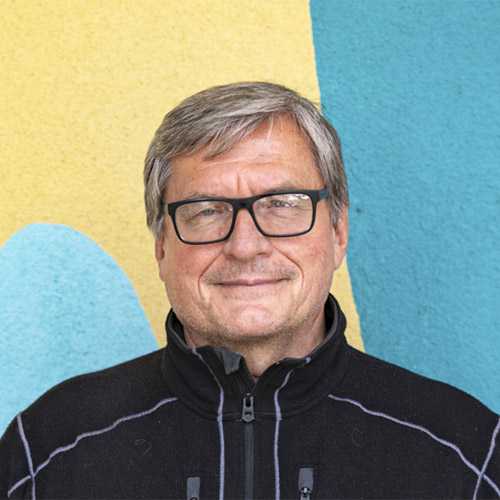
Vladimir Romanovsky is a permafrost geophysicist working on ground temperature measurements and modelling. His research combines field observations and modelling to better understand permafrost dynamics.
Dmitry Nicolsky
University of Alaska Fairbanks (UAF)
Fairbanks, USA
Assistant Professor
WP2 Lead
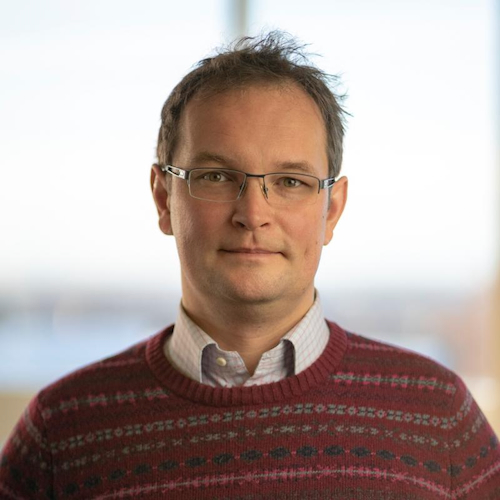
Dmitry Nicolsky is a geophysicist working on ground temperature observations and developing a predictive model of ground temperature dynamics and subsidence. His work combines ground temperature modelling, laboratory experiments and repeat aerial surveys.
Louise Farquharson
University of Alaska Fairbanks (UAF)
Fairbanks, USA
Research Assistant Professor
Project Affiliate Member
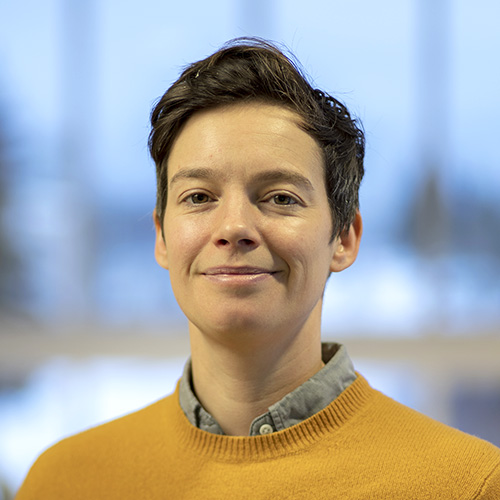
Louise Farquharson is an Arctic geologist and her research examines how permafrost-affected landscapes respond to atmospheric warming across past and present timelines. She combines in-situ monitoring and geologic sampling and dating with remote sensing to better understand landscape response to disturbance, with a particular focus on lowland permafrost thaw processes and their interaction with infrastructure and permafrost thaw-driven mass movements in mountain environments.
Teresa Aguirrezabala Campano
University of Alaska Fairbanks (UAF)
Fairbanks, USA
Postdoctoral Researcher
WP4 Co-Lead
Peter Anthony
University of Alaska Fairbanks (UAF)
Fairbanks, USA
Research Technician
Melanie Engram
University of Alaska Fairbanks (UAF)
Fairbanks, USA
Research Assistant
Melanie Engram is a remote sensing scientist using synthetic aperture radar to investigate methane emissions from lakes and winter water availability. Her work integrates spaceborne SAR data within geospatial environments and is complemented by field-based observations of lakes and thermokarst activity.
Allison Welch
University of Alaska Fairbanks (UAF)
Fairbanks, USA
Postdoctoral Researcher
Allison Welch is a biogeochemist developing remote sensing and machine learning methods to quantify methane ebullition from high-latitude lakes. Her work combines field observations, remote sensing, and modelling.
Henry England
University of Alaska Fairbanks (UAF)
Fairbanks, USA
PhD Student
Henry England’s research focuses on Yedoma carbon, investigating its composition and sequestration during permafrost aggradation and the implications for carbon release upon thaw. His work reconstructs belowground biomass dynamics through time using field and laboratory methods, including radiocarbon dating, sedimentology, elemental analysis, and emerging approaches such as DNA analysis and plant root decay modelling.
University of Alberta (UofA)
The University of Alberta (UofA) is a leading Canadian research university in Edmonton, with strong expertise in Arctic and northern research. It supports interdisciplinary research on permafrost, climate change, and northern ecosystems and is an active partner in international Arctic research networks.
Suzanne Tank
University of Alberta (UofA)
Edmonton, Canada
Canada Research Chair
WP4 Lead, WP7 Co-Lead
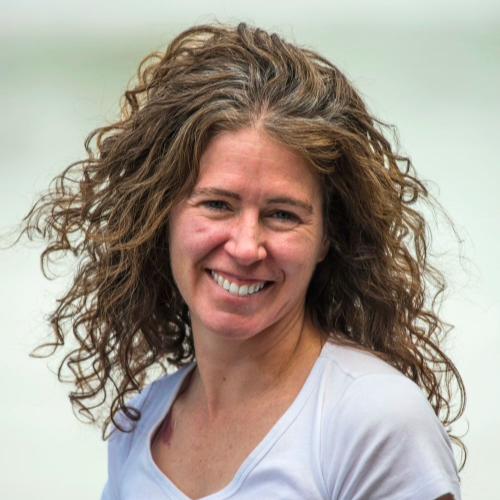
Suzanne Tank leads a collaborative research program examining how global change affects the transport and cycling of biogeochemical constituents across landscape continua, ranging from soil porewaters to the coastal ocean. Her work is based on long-term research in the western Canadian Arctic and combines field, laboratory, and statistical approaches.
Duane Froese
University of Alberta (UofA)
Edmonton, Canada
Full Professor
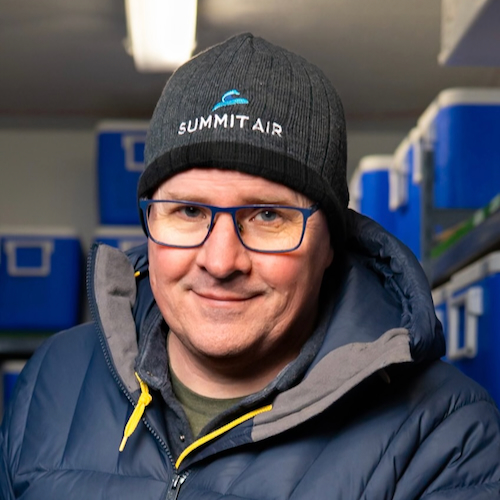
Duane Froese is Professor and Director of the Permafrost Archives and Cryosphere Sciences Laboratory. He is an Earth scientist studying thaw subsidence and ground temperature dynamics in northwestern Canada. He also manages an advanced analytical laboratory for characterization of permafrost materials. His work combines field observations with CT scanning, core analysis, dating, and geochemistry, and supports collaborative carbon characterization studies.
David Olefeldt
University of Alberta (UofA)
Edmonton, Canada
Full Professor
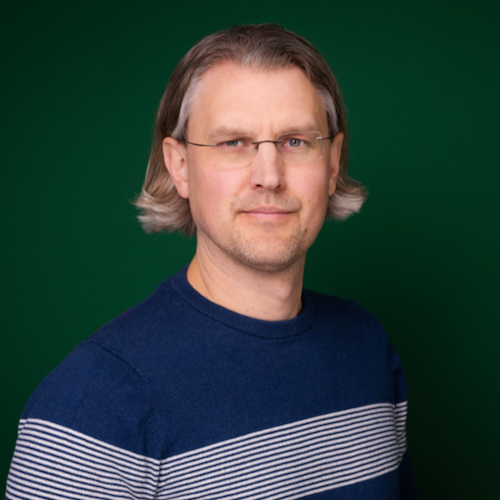
David Olefeldt studies the carbon balance of northern ecosystems, focusing on greenhouse gas emissions and downstream carbon mobilization in wetland-rich environments. He also co-supervises PhD students working on aquatic biogeochemistry and greenhouse gas fluxes across thermokarst landscapes. His work includes field research in catchment sciences, wetland biogeochemistry, and eddy covariance measurements.
Melanie Burnett
University of Alberta (UofA)
Edmonton, Canada
Postdoctoral researcher
Melanie Burnett is an ecosystem ecologist and biogeochemist investigating greenhouse gas emissions along permafrost-affected terrestrial-aquatic interfaces. Her work integrates lateral carbon fluxes from soils to streams to lakes in the Canadian Arctic. Her work combines field, laboratory, and isotopic approaches.
Alejandro Alvarez
University of Alberta (UofA)
Edmonton, Canada
PhD Student & Laboratory Manager
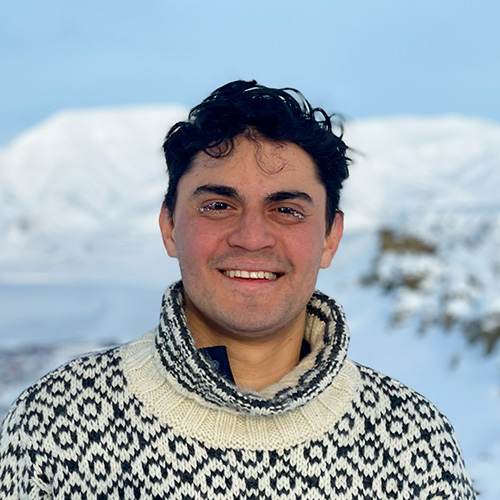
Alejandro Alvarez is a Laboratory Manager for the Permafrost Archives and Cryosphere Science Laboratory. Drawing on his background in geology, his research focuses on permafrost landscapes, combining Arctic field observations with core sample and ground ice analysis to study cryospheric dynamics and landscape change.
Sydney Enns
University of Alberta (UofA)
Edmonton, Canada
PhD student
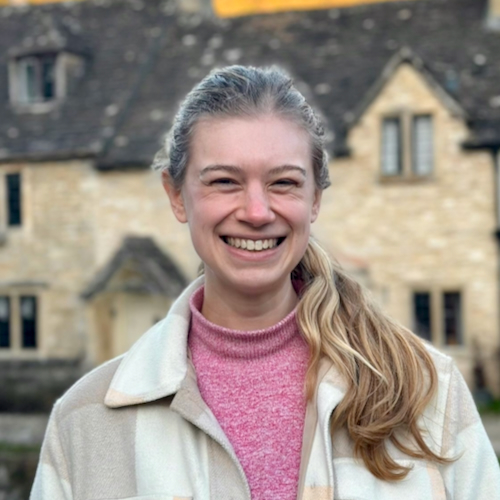
Sydney Enns is a biogeochemist examining carbon cycling in rapidly thawing permafrost zones, with a focus on carbon dynamics in streams and the cycling of organic matter released during thaw. Her work combines fieldwork, laboratory analyses, and GIS.
Gabrielle Hatten
University of Alberta (UofA)
Edmonton, Canada
PhD Student
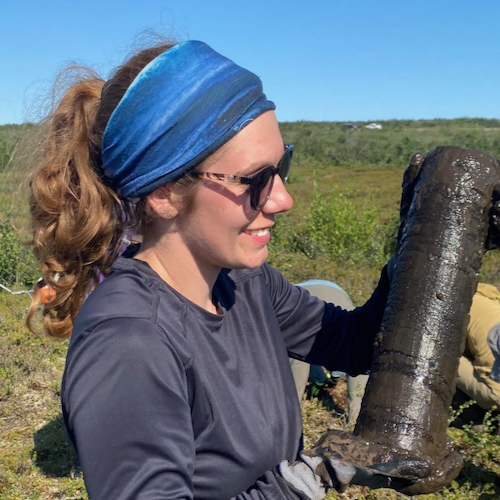
Gabrielle Hatten studies lateral carbon fluxes in permafrost landscapes. She evaluates how differences in landscape evolution influence the biogeochemistry and ecological function of northern streams under permafrost thaw. Her work combines field studies and laboratory experiments.
Bertram Reventlow
University of Alberta (UofA)
Edmonton, Canada
PhD student
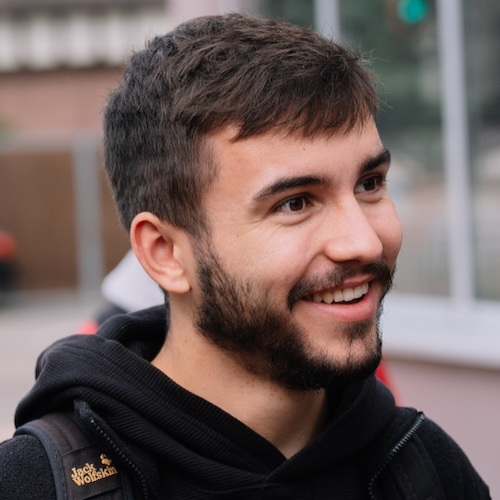
Bertram Reventlow is a physicist studying landscape change and carbon emissions from permafrost thaw-affected lakes in the Canadian Arctic. His work integrates fieldwork, laboratory experiments, and modelling approaches.
University of Hamburg (UHH)
The University of Hamburg (UHH) is a central hub for climate and environmental research in Europe. Its Department of Earth System Sciences and the excellence cluster CLICCS-II (Climate, Climatic Change and Society) increase our understanding of climate-society interactions, with one large focus on Arctic ecosystems.
Christian Beer
University of Hamburg (UHH)
Hamburg, Germany
Full Professor
WP6 Lead
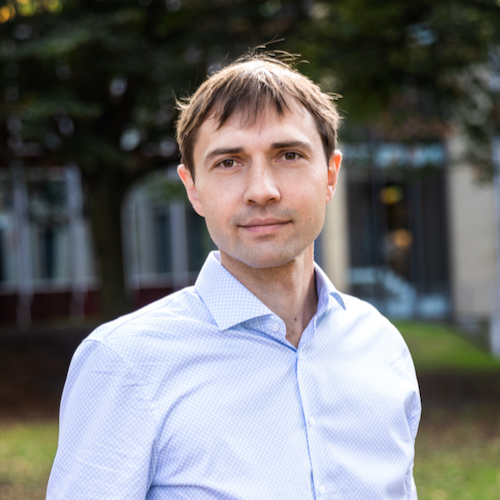
Christian Beer is a biogeochemist focusing on carbon cycle processes in permafrost-affected Arctic ecosystems, with a particular interest in the dynamics of collapsing landscape features. His work relies on land surface modelling.
Christian Knoblauch
University of Hamburg (UHH)
Hamburg, Germany
Senior Scientist
WP4 Co-Lead
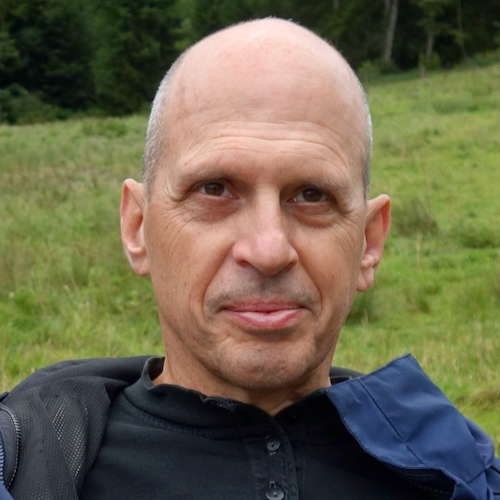
Christian Knoblauch is a biogeochemist focusing on the turnover and stabilisation of organic matter in Arctic ecosystems. His research particularly addresses microbial processes controlling methane and carbon dioxide dynamics in permafrost-affected soils, combining fieldwork, stable isotope analysis, and laboratory experiments.
Carolina Voigt
University of Hamburg (UHH)
Hamburg, Germany
Junior Group Leader
WP4 Co-Lead
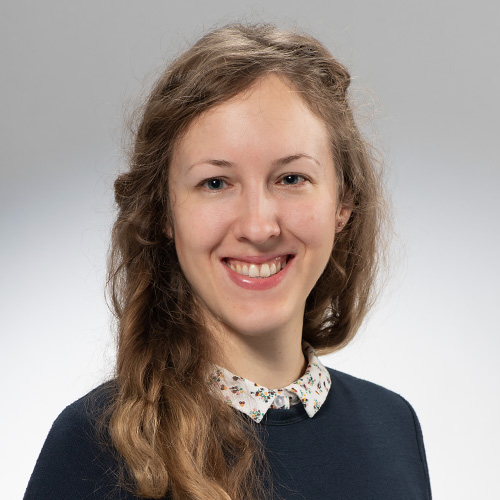
Carolina is a biogeochemist investigating greenhouse gas dynamics in Arctic ecosystems. Her work combines field and laboratory approaches to study gas exchange and underlying processes in the soil-atmosphere continuum, with expertise in manual and automated greenhouse gas chamber methods.
Carolin Frauhammer
University of Hamburg (UHH)
Hamburg, Germany
PhD Student
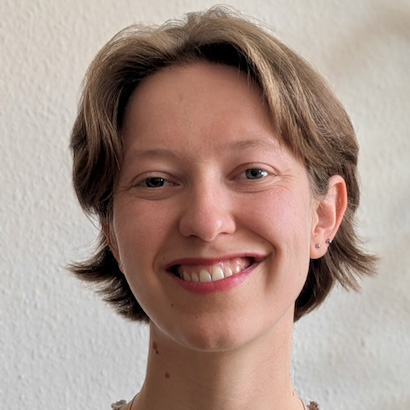
Carolin Frauhammer investigates how processes within the microbe-plant-soil-atmosphere continuum regulate greenhouse gas fluxes in abrupt permafrost thaw features. Her work combines field measurements with laboratory experiments.
Ruud Rijkers
University of Hamburg (UHH)
Hamburg, Germany
Postdoctoral Researcher
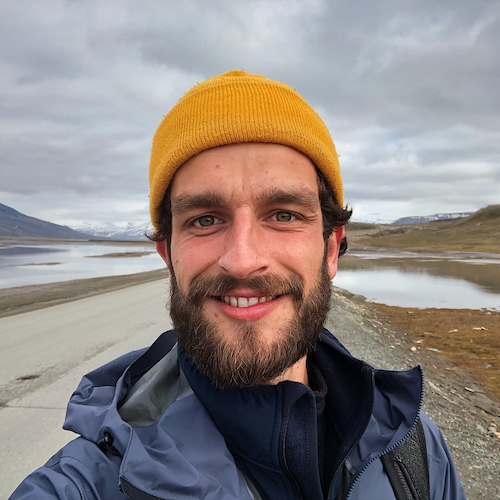
Ruud Rijkers is a microbial ecologist investigating plant-soil interactions across thawing permafrost features. His work combines field experiments, stable isotope analysis, and molecular biology approaches.
Mikita Maslouski
University of Hamburg (UHH)
Hamburg, Germany
Postdoctoral Researcher
Mikita Maslouski is an ecological modeler focusing on carbon cycle processes and ecosystem interactions. Within PeTCaT, Mikita will focus on representing abrupt permafrost thaw processes in Earth System Models (ICON), combining knowledge and data from across the different work packages.
Milo James Gottschalk
University of Hamburg (UHH)
Hamburg, Germany
Student Assistant
Milo James Gottschalk is a Geosciences student at the University of Hamburg investigating microbial methane oxidation and CO2 production in permafrost soils. His work combines laboratory experiments with biogeochemical data analysis.
Vrije Universiteit Amsterdam (VU)
Vrije Universiteit Amsterdam (VU) is a research university in the Netherlands with strong expertise in Earth sciences, climate, and sustainability. It contributes to interdisciplinary research on environmental change and is well known for connecting fundamental research with societal challenges.
Moritz Langer
Vrije Universiteit Amsterdam (VU)
Amsterdam, Netherlands
Associate Professor
WP3 Lead
Moritz Langer is a permafrost researcher investigating land surface processes and how they shape Arctic landscapes over time. His work integrates numerical modelling, field observations, remote sensing, and geospatial data analysis.
Clemens Breuß
Vrije Universiteit Amsterdam (VU)
Amsterdam, Netherlands
PhD Student
Clemens Breuß is a mathematician working on process-based and data-driven modelling of rapid permafrost thaw. His work focuses on modelling approaches and geospatial data analysis. He is also affiliated with the Alfred Wegener Institute (AWI).
Stockholm University (SU)
Stockholm University (SU) is one of Sweden’s largest and most research-intensive universities, with a strong focus on environmental and climate research. Its Department of Physical Geography and the Bolin Centre for Climate Research are central to Arctic and permafrost research, studying high-latitude Earth system changes such as permafrost thaw, carbon cycling, and landscape dynamics.
Gustaf Hugelius
Stockholm University (SU)
Stockholm, Sweden
Professor
WP5 Lead
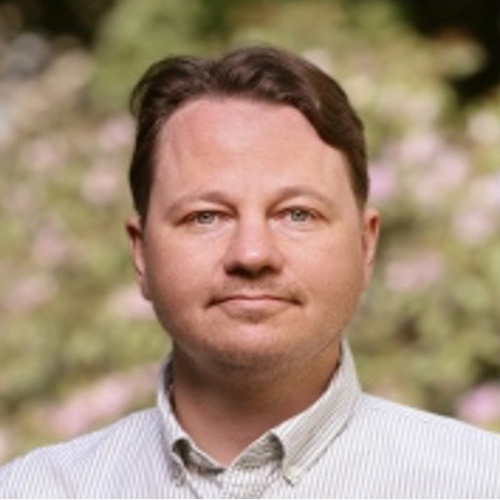
Martijn Pallandt
Stockholm University (SU)
Stockholm, Sweden
Postdoctoral Researcher
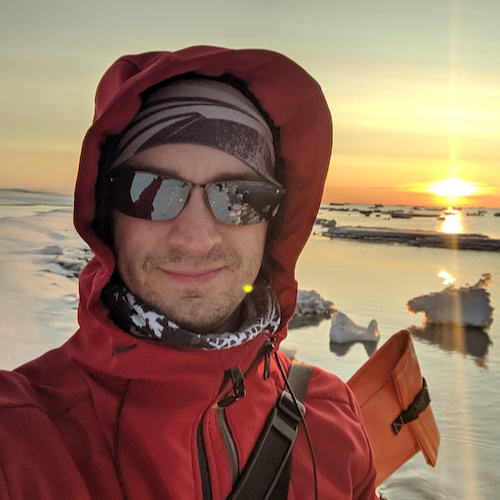
Martijn Pallandt is a Postdoctoral Researcher at Stockholm University and the Bolin Centre for Climate Research, and a guest researcher at the Max Planck Institute for Biogeochemistry. He works on the high-latitude carbon cycle, focusing on monitoring network assessment and optimization from in situ observations to remote sensing. His research integrates modelling approaches, including OSSEs, machine learning and inversions.
Justine Ramage
Stockholm University (SU)
Stockholm, Sweden
Postdoctoral Researcher
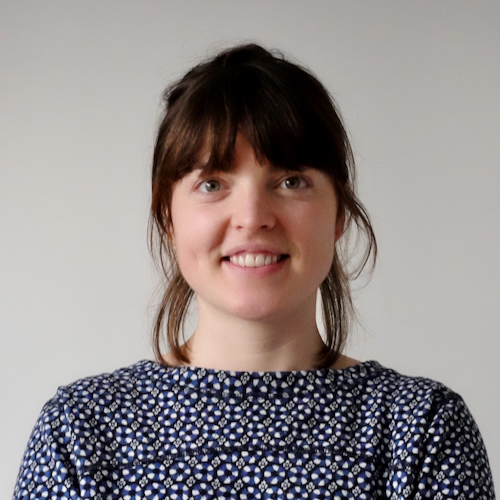
Justine Ramage is a physical geographer at Stockholm University and a Senior Research Fellow at the Nordic research institute for regional development. She works on mapping permafrost landscapes and assessing changes related to permafrost thaw. Her research also addresses ecosystem services and their response to environmental change, combining fieldwork and remote sensing approaches.
Northwest Territories, Canada (NWT)
The Northwest Territories (NWT) delivers programs and services across the territory through departments and agencies supporting environmental monitoring, land management, and research. The NWT Geological Survey provides geoscience data and research for resource development, land management, and environmental decision-making.
Steven Kokelj
Northwest Territories, Canada (NWT)
Yellowknife, Canada
Senior Permafrost Scientist
Steven Kokelj holds adjunct and research affiliations with multiple Canadian universities and institutes. He leads a dynamic, northern-based team of experts investigating permafrost conditions and environmental change impacts on northern landscapes and infrastructure by bringing together scientists, engineers, indigenous partners, and northern stakeholders. His work combines remote sensing, ground temperature monitoring, and geomorphic mapping.
Mike Palmer
Northwest Territories, Canada (NWT)
Yellowknife, Canada
Senior Aquatic Scientist
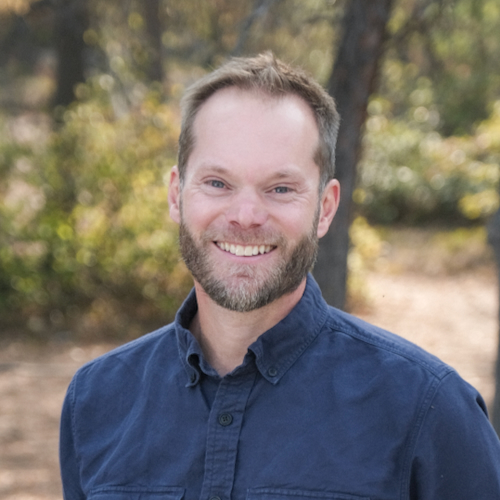
Mike is a geographer with research interests in limnology and the role of lakes in the biogeochemical cycling of elements. His work is primarily based on field studies.
Erika Hille
Northwest Territories, Canada (NWT)
Inuvik, Canada
WARC Director
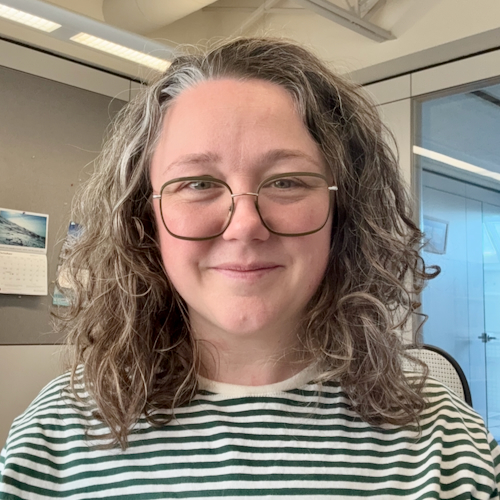
Erika Hille is Director of the Western Arctic Research Centre (WARC) at the Aurora Research Institute (Aurora College) and a Sessional Instructor at Queen’s University. She oversees the development of research initiatives and partnerships across the Beaufort-Delta region of the Northwest Territories, Canada, and leads the operations of WARC. Her work includes providing logistical support and research services for visiting scientists in the western Canadian Arctic, as well as coordinating scientific outreach and community engagement. Her work combines fieldwork and laboratory approaches.
Project Alumni
Maren Jenrich
Alfred Wegener Institute (AWI)
Potsdam, Germany
Project Manager
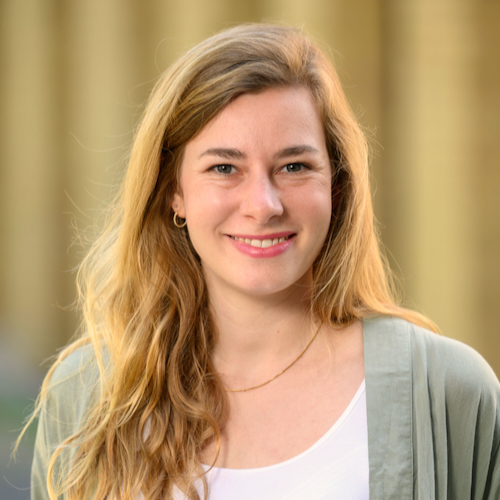
Maren Jenrich is a geoecologist by training, with a background in studying greenhouse gas production in Arctic coastal landscapes. Within the project, she coordinates activities, supports collaboration across partners, and contributes to the development of the project website.