
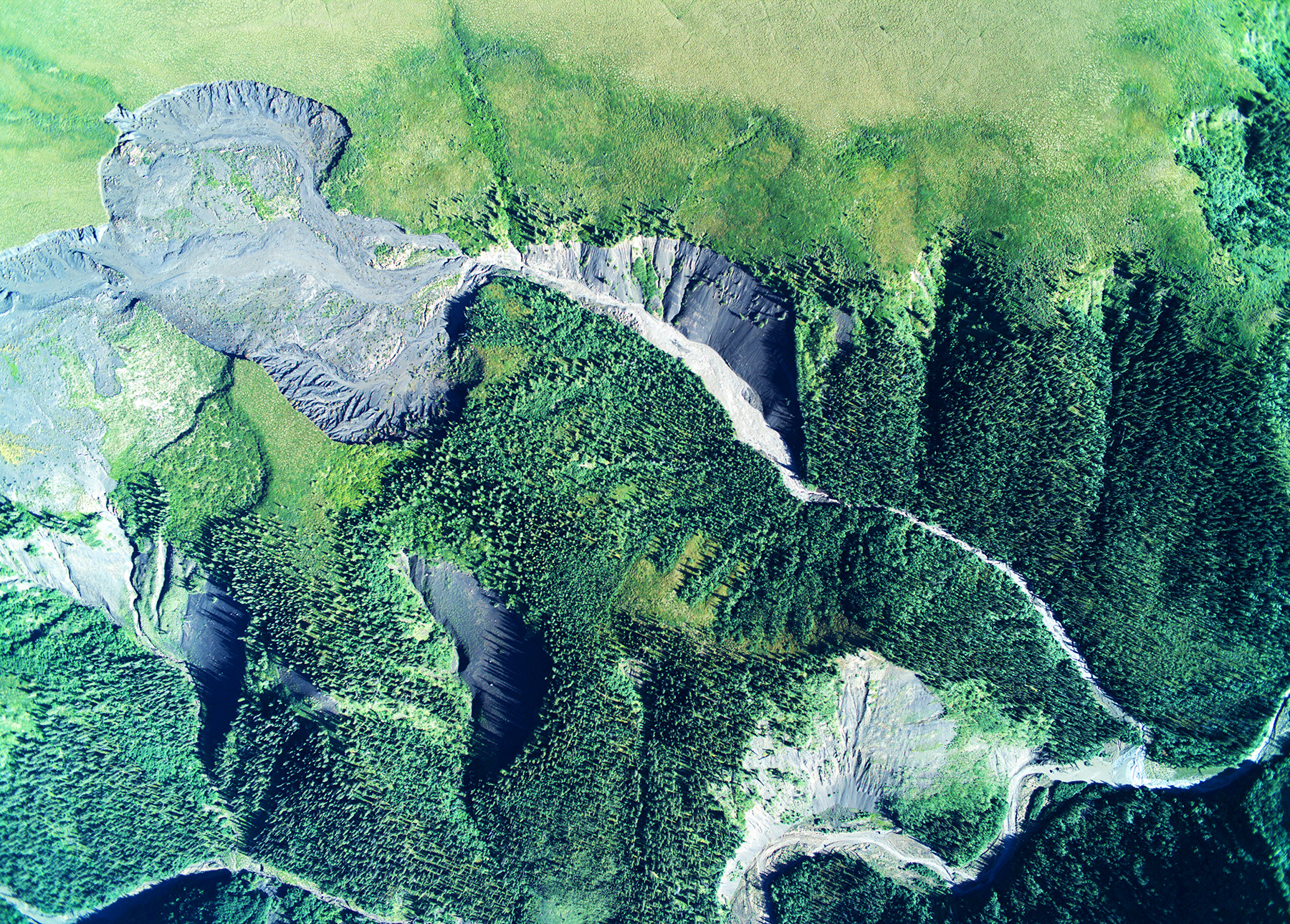
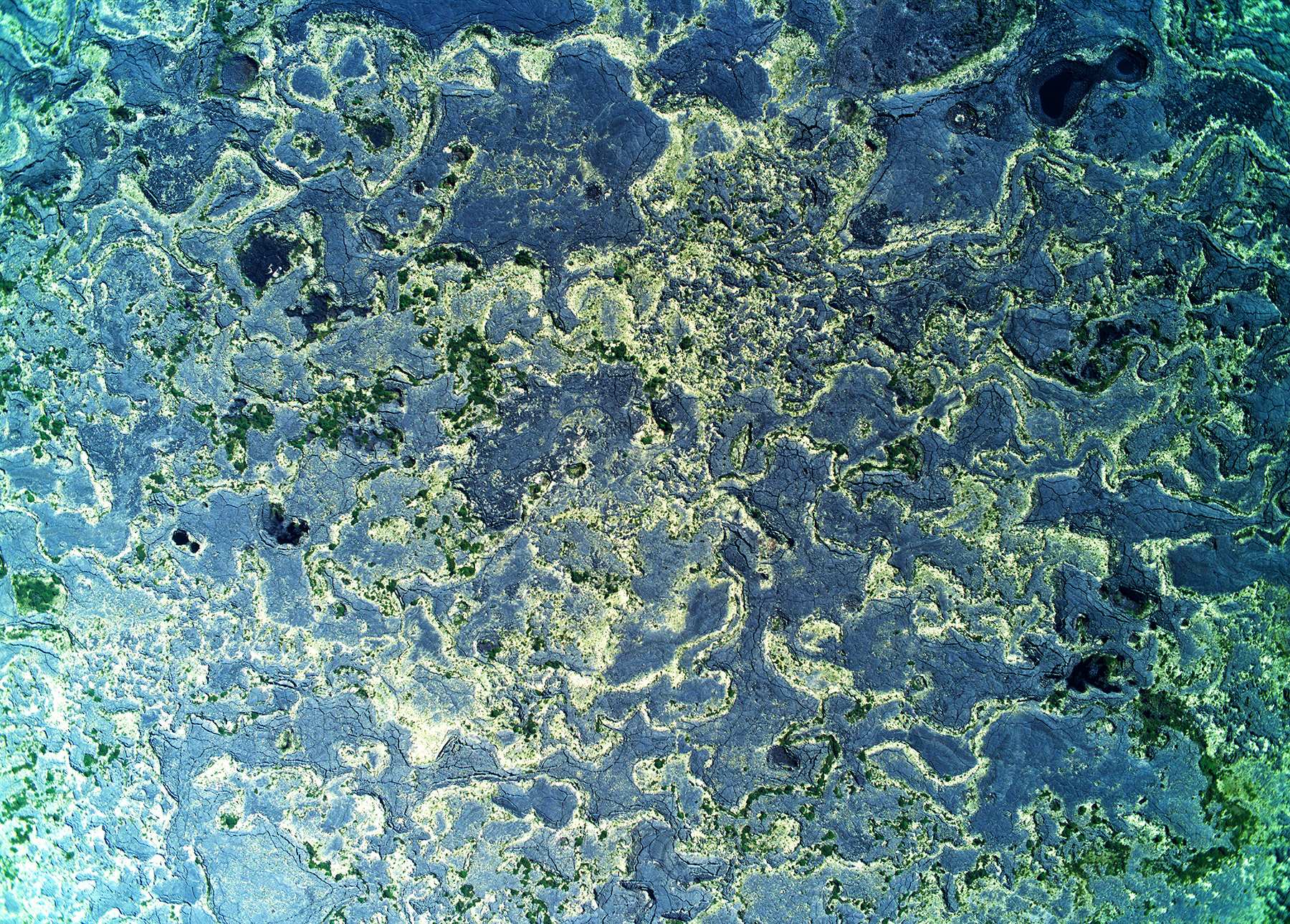
Images captured over the Arctic by AWI’s Polar 5 / 6 aircraft with the Modular Aerial Camera System (MACS).
 – Rapid Permafrost Thaw Carbon Trajectories
We investigate how rapid permafrost thaw across the Arctic may influence future climate trajectories and the remaining global carbon budget for reaching climate targets. brings together an international team of scientists from Europe and North America to combine Arctic field observations, greenhouse gas measurements, satellite remote sensing, artificial intelligence, and next-generation Earth System Models. Together, we aim to substantially reduce uncertainties in permafrost-carbon-climate feedbacks and provide urgently needed insights into the risks of rapid thaw on policy-relevant timescales.

News
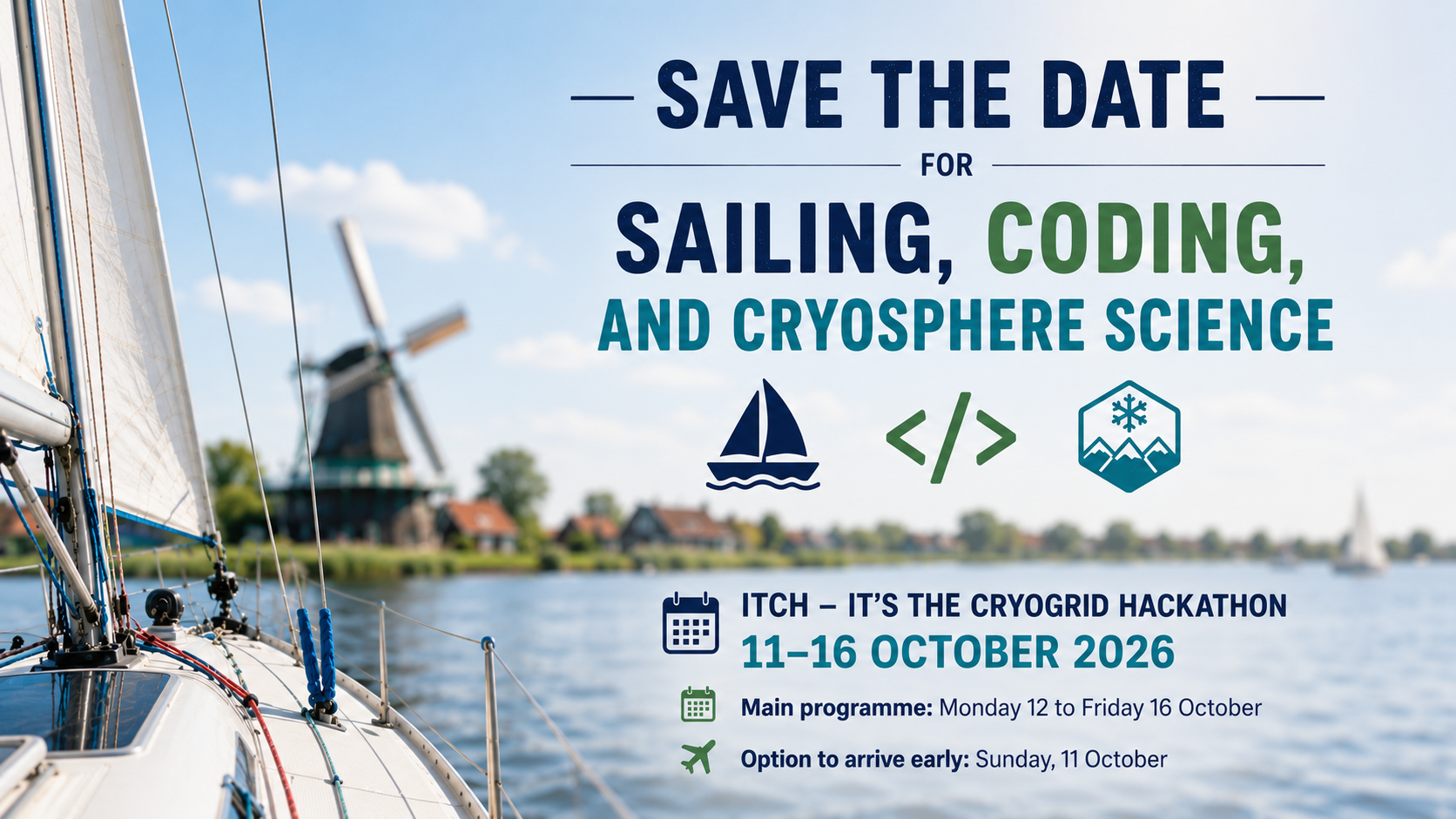
Sailing, Coding, and Cryosphere Science
Save the date: ITCH 2026 combines sailing, coding, and cryosphere science aboard a boat in the Netherlands this October. [read more ...]
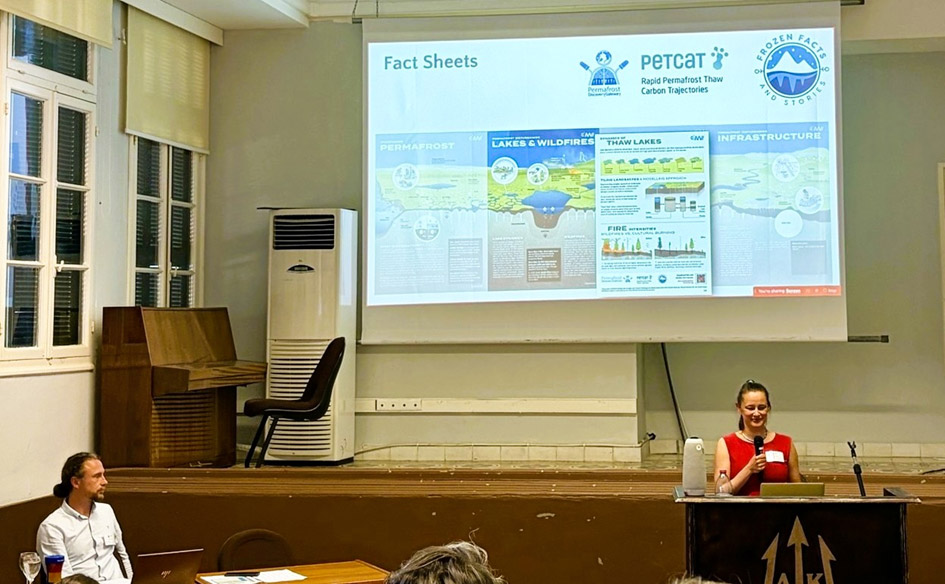
New IPA Action Group for Science Communication
joins IPA Action Group “Frozen Facts and Stories” to turn permafrost science into clear, visual, and impactful communication. [read more ...]
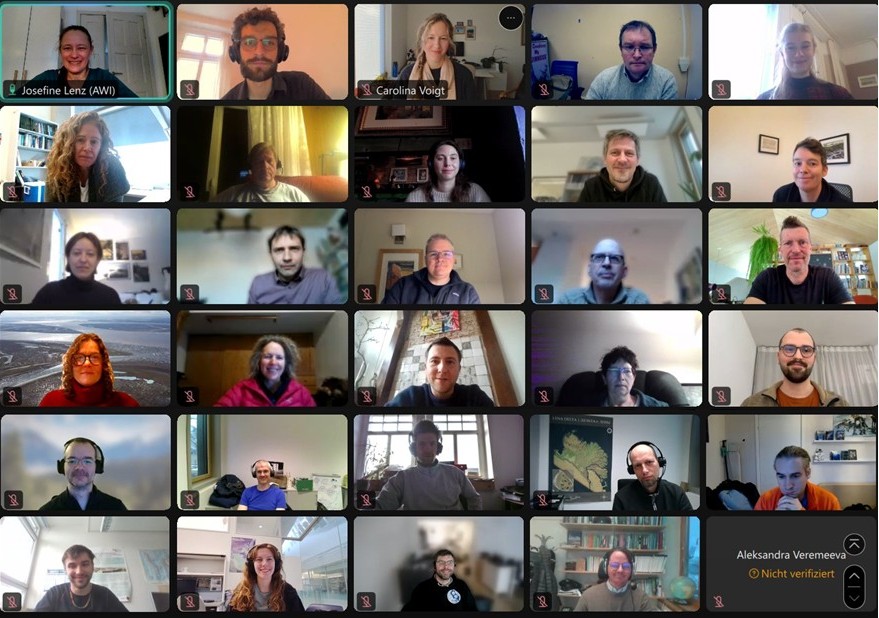
Kicking-Off Virtually and Full of Excitement
kicked off with 30 researchers aligning plans and quickly advancing collaboration across institutions and disciplines. [read more ...]
Knowledge Gaps and Challenges
Across the Arctic, climate change and human activities are increasingly destabilizing permafrost landscapes and triggering rapid thaw processes. In ice-rich regions, collapsing ground, thermokarst lake growth, thaw slumps, and erosion can dramatically reshape entire landscapes within only a few years or decades. Previously frozen carbon-rich deposits become available for decomposition and greenhouse gas release. Yet major uncertainties remain regarding where rapid thaw occurs, how much carbon becomes vulnerable, and how strongly these emissions may amplify climate change and affect the remaining global carbon budget for keeping warming below 2°C. addresses this challenge by closing these three major knowledge gaps:
Rapid Thaw Dynamics in Ice-Rich Permafrost
Where, how fast, and how deep does rapid permafrost thaw take place? What role does ground ice distribution play?
Reactivity of Rapidly Thawing Organic Carbon
Where, how much, and what type of organic matter is thawed? What are the consequences for greenhouse gas fluxes?
Emission Contribution and Global Consequences
Is the strength of the permafrost carbon–climate feedback underestimated? What is the effect on the remaining C budget?
Key Facts
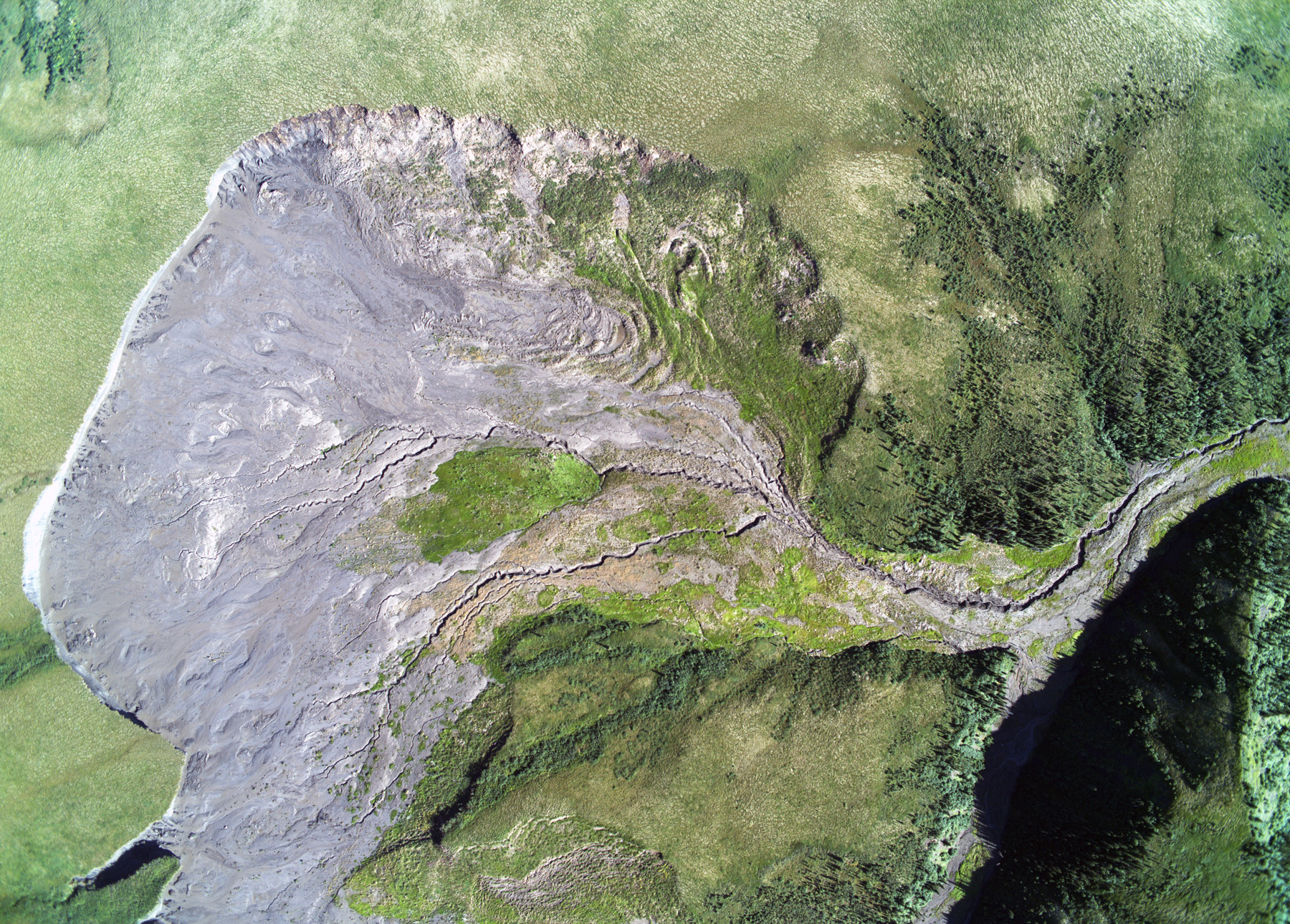
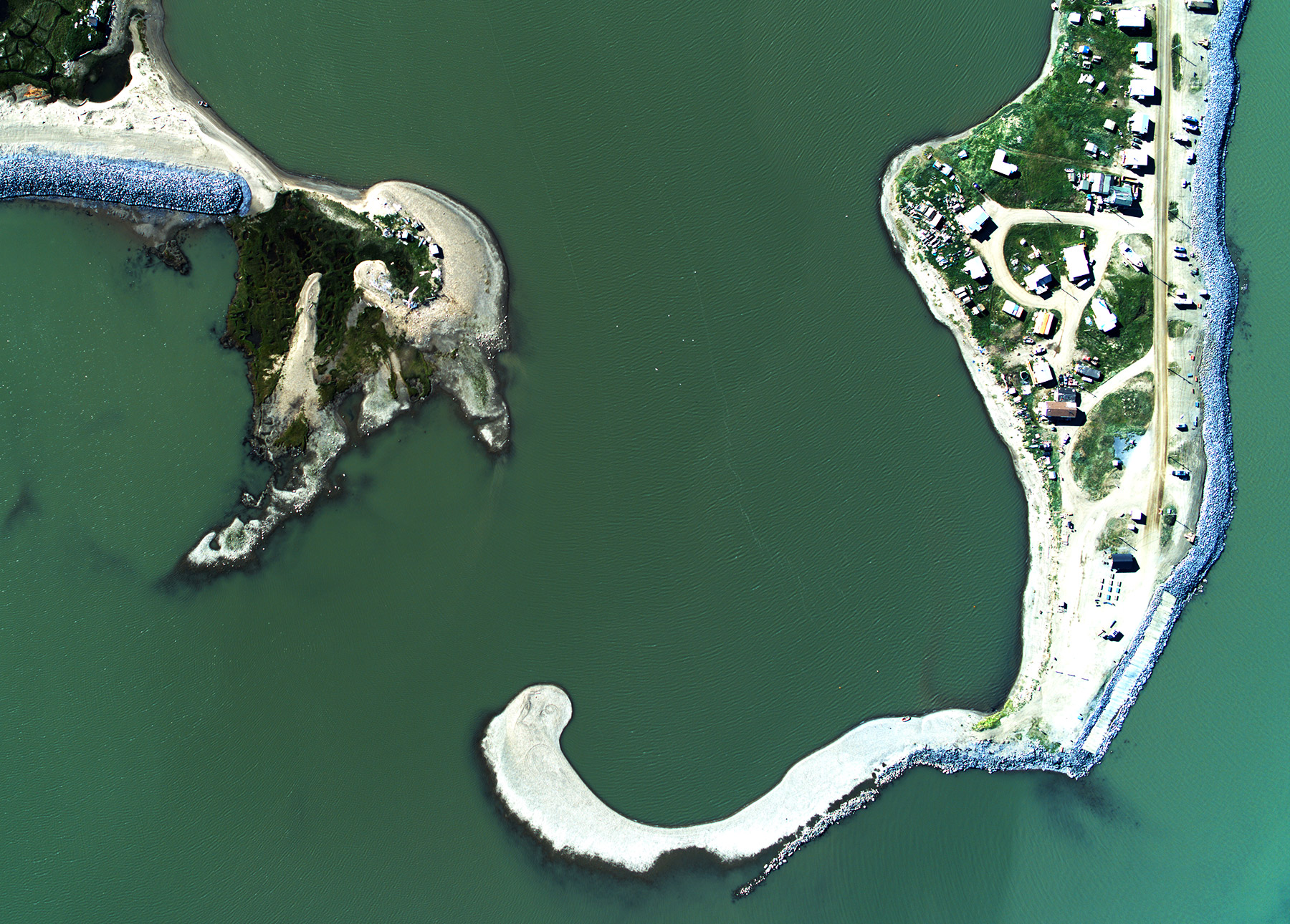
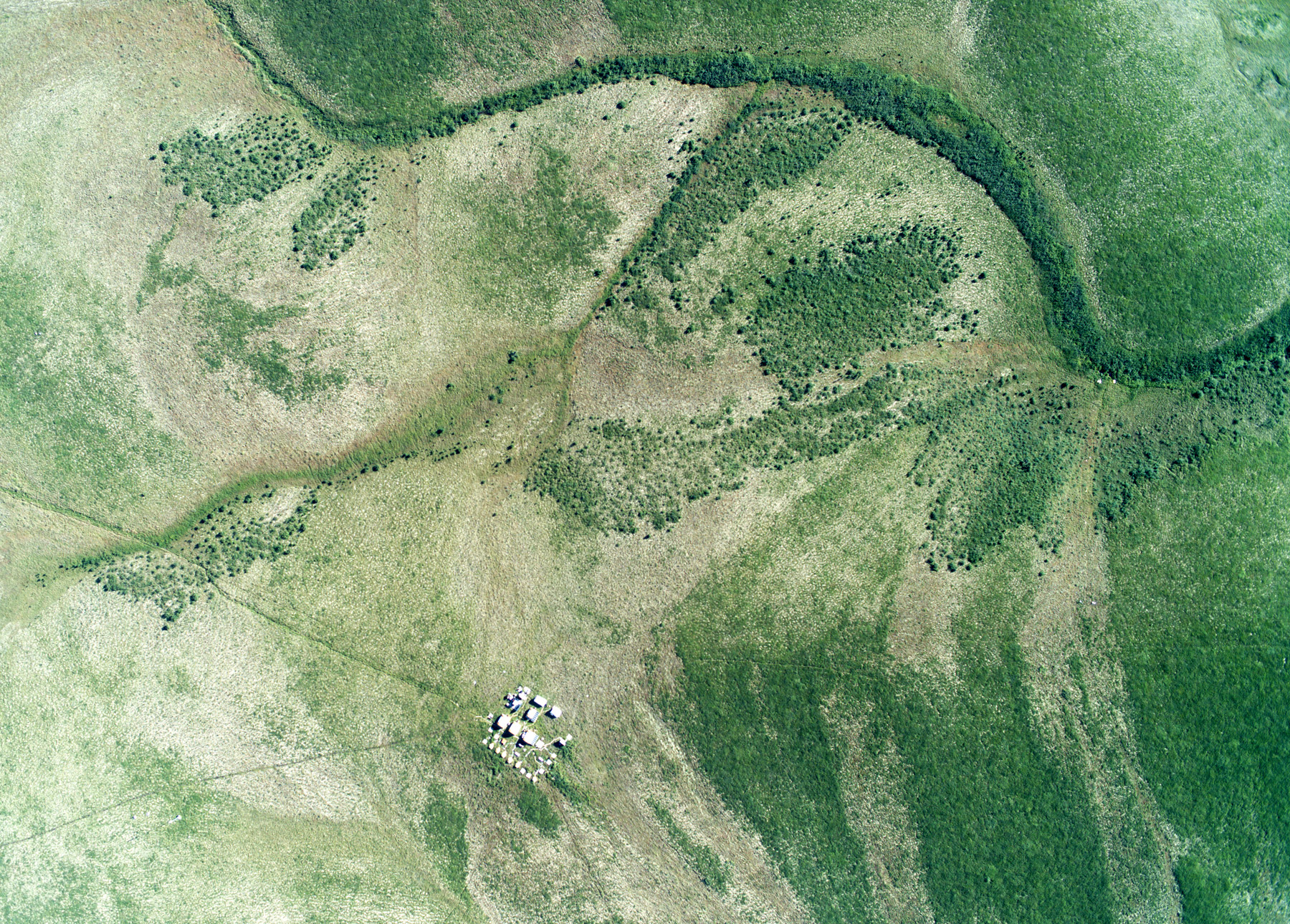
Mapping Permafrost Degradation
Combining field and aerial observations is a powerful tool for mapping rapid permafrost change.  uses remote sensing and Arctic field campaigns to detect and track rapid thaw processes across the Arctic.
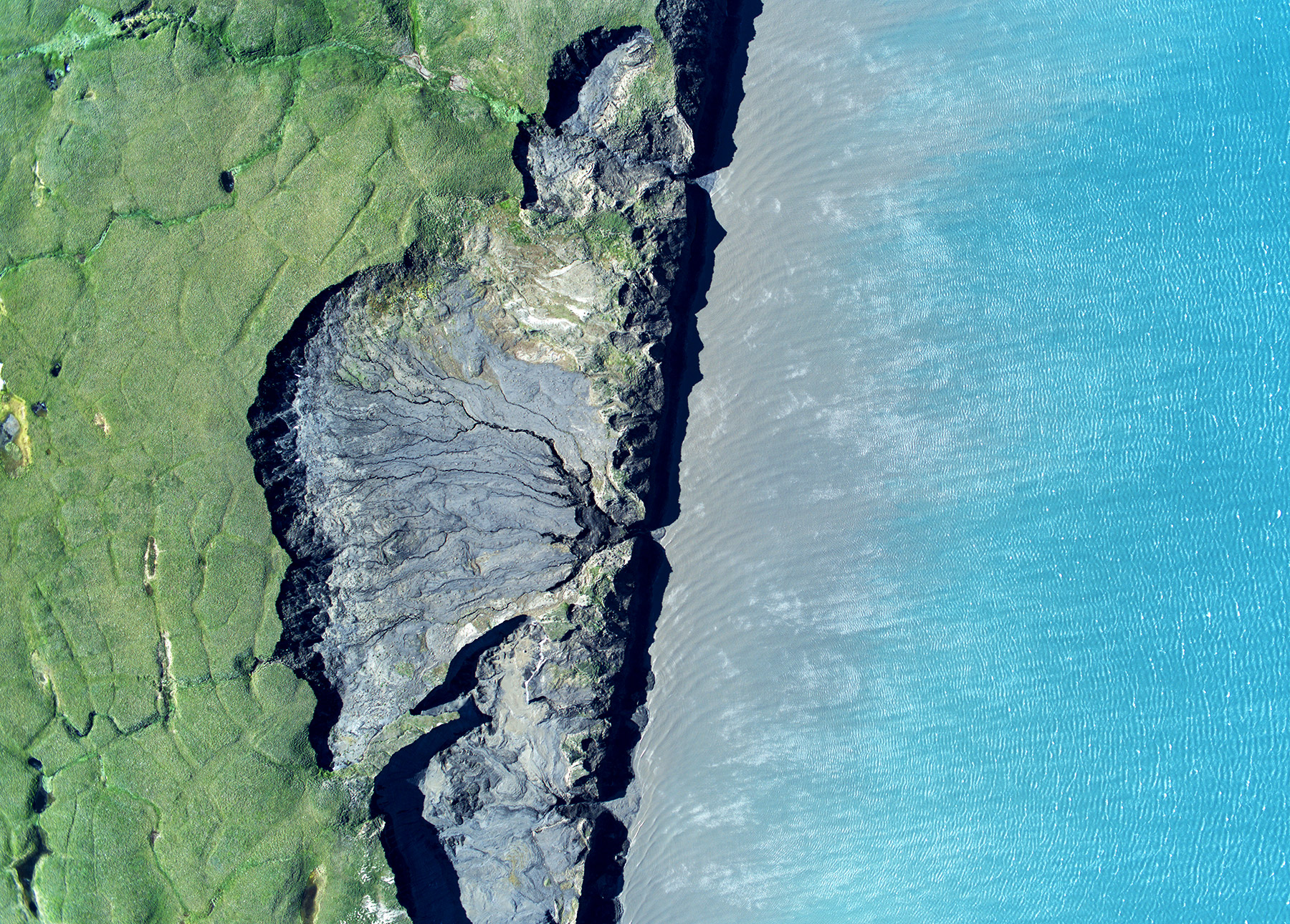
From Soil to Climate Models
Permafrost thaw is a major climate feedback process. aims to improve Earth System Models by integrating field observations, laboratory incubations, and process-based modeling of permafrost carbon.
Science for Climate Decisions
Permafrost research needs to inform climate decisions. investigates how greenhouse gas emissions from Arctic landscapes may alter the remaining global carbon budget and influence future climate trajectories.
Meet the Team

«Rapid permafrost thaw impacts ecosystems across many scales. To fully understand its large feedback to climate change we need novel multidisciplinary approaches.»
Ruud Rijkers
University of Hamburg, Germany

«I am motivated by all the incredible and hard-working people on this team and knowing how critical this work is to better understand climate change.»
Sydney Enns
University of Alberta, Canada

«What excites me about is, that we will for the first time incorporate the paleoclimatic legacy of permafrost ground ice and carbon dynamics into future climate projections.»
Jan Nitzbon
Alfred Wegener Institute, Germany
Publication Highlights
- Stuenzi SM, Grosse G, Miesner F, Westermann S, Langer M (2026): Canopy-mediated climate feedbacks in the boreal continuous permafrost zone. Nature Climate Change, 16, 971–979 (2026). DOI: 10.1038/s41558-026-02692-z. link
- Fuchs M, Sachs T, Jongejans LL, Strauss J, Hugelius G, Frost GV, Jones BM, Kokelj SV, Kutzbach L, Nitze I, Overduin PP, Palmtag J, Ping C-L, Pokrovsky OS, Rivkina E, Runge A, Schirrmeister L, Schwamborn G, Siewert MB, Treat C, Veremeeva A, Zubrzycki S, Grosse G (2026): Large stocks of permafrost soil organic carbon and nitrogen in Arctic river deltas. Nature Communications, 17, 7342 (2026). DOI: 10.1038/s41467-026-73092-2. link